
Merge Games
Merge games run on one satisfying rule: two identical items become one better item. From there they split into distinct flavors — 2048-style sliding boards, droppers where you release items from above and route the merges, and builders where merged objects become a farm, kitchen or kingdom that keeps producing. — 19 playable now.

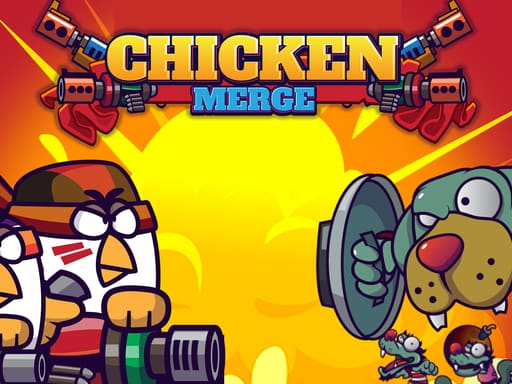
Chicken Merge
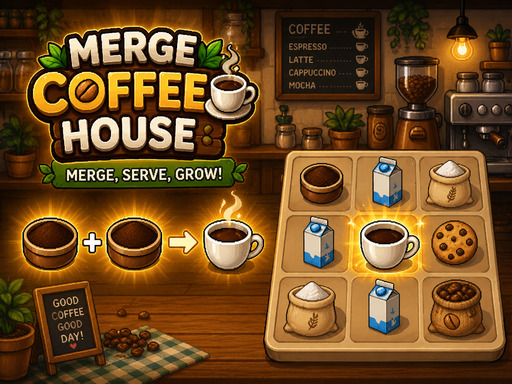
Coffe Merge House
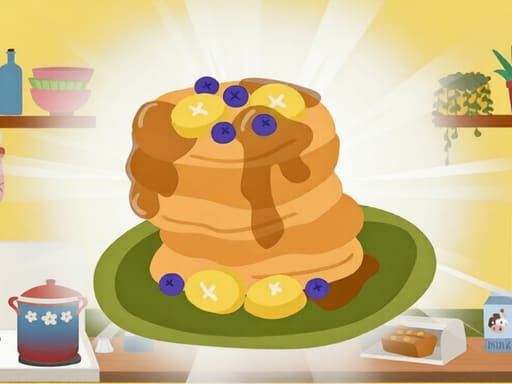
Cozy Kitchen Merge

Fruit Merge: Juicy Drop Game

Fruit Merge
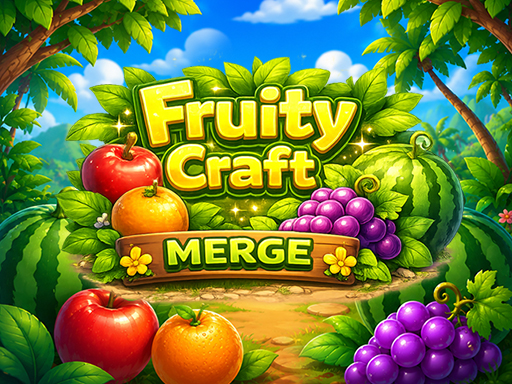
Fruity Craft Merge
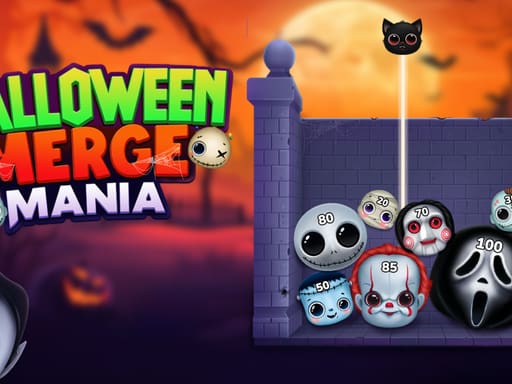
Halloween Merge Mania
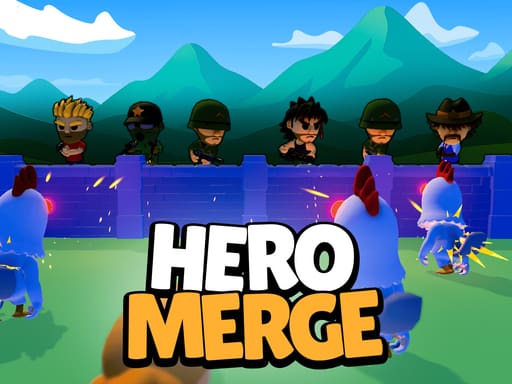
Hero Merge
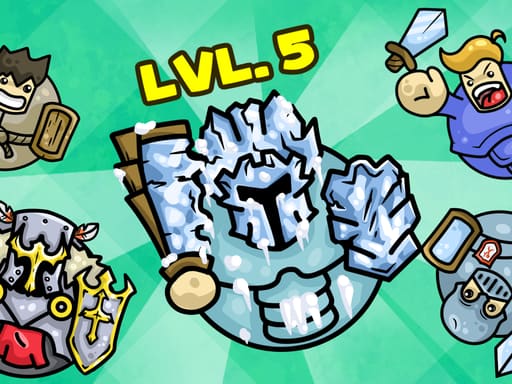
Knight Bolts: Merge Edition

Merge Battle Tactics

Merge Dragons
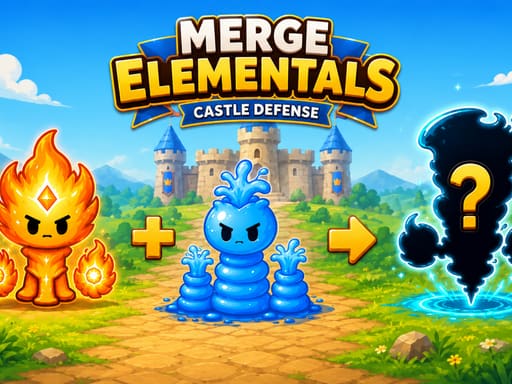
Merge Elementals: Castle Defense

Merge Mine - Idle Clicker

Merge Royal
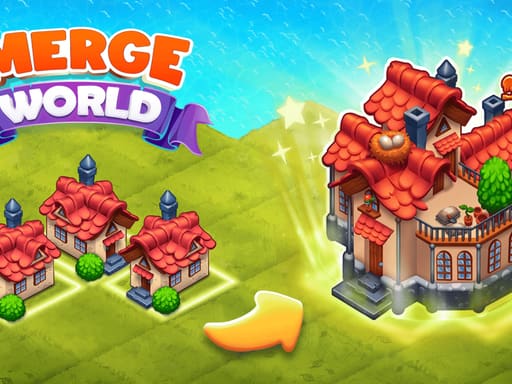
Merge World

Piece of Cake: Merge & Bake
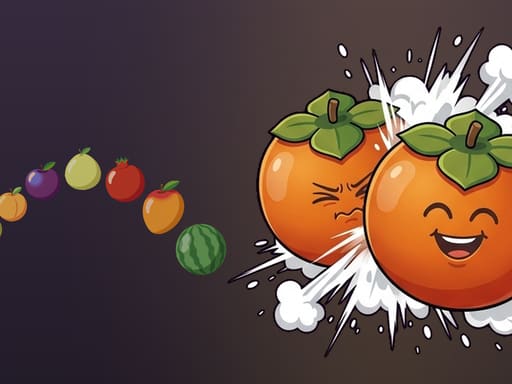
Poofruits: Merge the Fruit

Stick Merge


The strategy in every flavor is the same discipline: never merge the easy pair when a patient setup can merge the bigger one. On dropper boards, placement matters more than speed; on builder boards, the right upgrade order decides whether production compounds or stalls.
Because merges cascade, a single move can reshape the whole board — if a run goes wrong, restarting is instant. Round length varies widely between endless score boards and quest-driven builders, so check the listed play time before you start.
Frequently asked questions
What are merge games?
Games built on one satisfying rule — two identical items become one better item — and because merges cascade, a single move can reshape the whole board.
What types of merge games are on this shelf?
2048-style sliding boards, droppers where you release items from above and route the merges, builders where merged objects become a farm, kitchen or kingdom that keeps producing, and wall defenders where merged units hold a line against waves.
What are merge defense games?
Merge defense games keep the fuse rule and give it a fixed line to hold: merge identical defenders before or between waves, then place the stronger unit where the incoming enemies are heading. Hero Merge, Knight Bolts: Merge Edition and Merge Elementals: Castle Defense are the shelf's wall-defense picks.
What is the best strategy in merge games?
Never merge the easy pair when a patient setup can merge the bigger one. On dropper boards, placement matters more than speed; on builder boards, the right upgrade order decides whether production compounds or stalls.
New to the genre? Read our guide Merge Games: Chain Discipline for Droppers and Builders.
Looking for a specific game to start with? Our Games Like Merge Mansion page picks the closest matches, one note at a time.